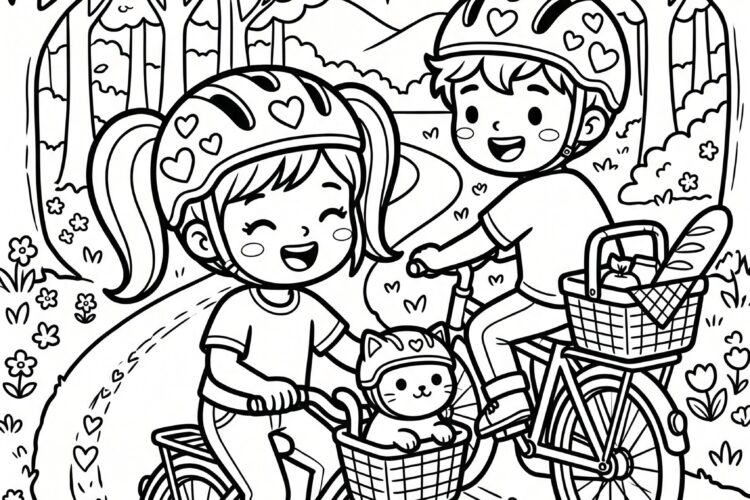
Modern parents often seek creative outlets that are both accessible and engaging. Digital resources have transformed how families approach downtime, offering instant solutions for busy schedules.
Utilizing an easy coloring pages for kids printable PDF offers a seamless way to keep little ones entertained. These tools provide immediate access to high-quality art projects without needing a trip to the store.
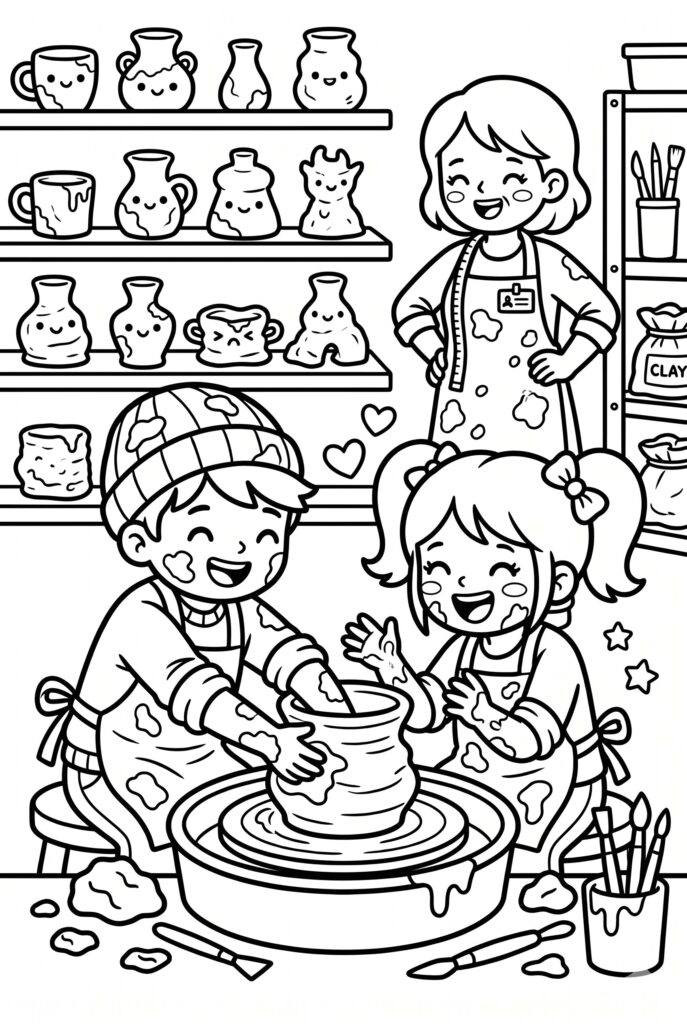
Many families now rely on free coloring pages to foster artistic growth at home. This guide explores how to maximize these digital assets to support child development effectively. By choosing the right materials, you ensure your children have constant access to creative fun whenever they need it.
Key Takeaways
- Digital art resources offer unmatched convenience for modern households.
- High-quality downloads support essential fine motor skill development.
- Instant access eliminates the need for last-minute shopping trips.
- Creative activities help reduce screen time while encouraging focus.
- Parents can easily curate a library of artistic materials at no cost.
The developmental benefits of coloring for children
When children pick up a crayon, they are doing much more than filling in shapes; they are building essential life skills. This simple activity serves as a powerful catalyst for growth, helping young minds navigate the world around them. By utilizing coloring pages for kids, parents can provide a structured yet creative environment that supports healthy development.
Enhancing fine motor skills and hand-eye coordination
Coloring requires precise movements that help children refine their fine motor skills. As they learn to grip a crayon and stay within the lines, they strengthen the small muscles in their hands and fingers. This physical control is a critical precursor to holding a pencil and learning to write in school.
Furthermore, the coordination between the eyes and the hands improves significantly during these sessions. Tracking the movement of the crayon while observing the paper helps children develop better spatial awareness. This practice builds the dexterity needed for complex tasks later in life.
Boosting focus and concentration through artistic play
Engaging in artistic play allows children to immerse themselves in a task for an extended period. This focused attention helps them develop the patience required for more demanding academic work. When a child commits to finishing a picture, they practice the art of concentration in a low-pressure setting.
This type of play encourages children to make deliberate choices about colors and patterns. By focusing on the details of the image, they learn to block out distractions. This mental discipline is a valuable asset that translates well into classroom environments.
Emotional regulation and stress relief for kids
The rhythmic, repetitive motion of coloring provides a natural way for children to calm their minds. In a busy world, this activity acts as a soothing outlet for processing emotions. Many children find that the act of filling in a page helps them manage feelings of frustration or anxiety.
The following table outlines how these activities contribute to a child’s overall well-being:
| Developmental Area | Primary Benefit | Long-term Impact |
|---|---|---|
| Physical | Refines fine motor skills | Improves handwriting |
| Cognitive | Encourages artistic play | Increases attention span |
| Emotional | Provides stress relief | Builds self-regulation |
Ultimately, providing high-quality coloring pages for kids is an investment in their future. Whether they are practicing their grip or finding a moment of peace, the benefits of this creative habit are truly profound.
Why printable PDF coloring pages are a parent’s best friend
When the weather turns gloomy, having a reliable stash of creative projects is a lifesaver. Many parents find that a printable PDF is the ultimate tool for keeping children engaged without needing a trip to the store. These digital files provide a seamless way to manage busy afternoons at home.
Cost-effective entertainment for rainy days
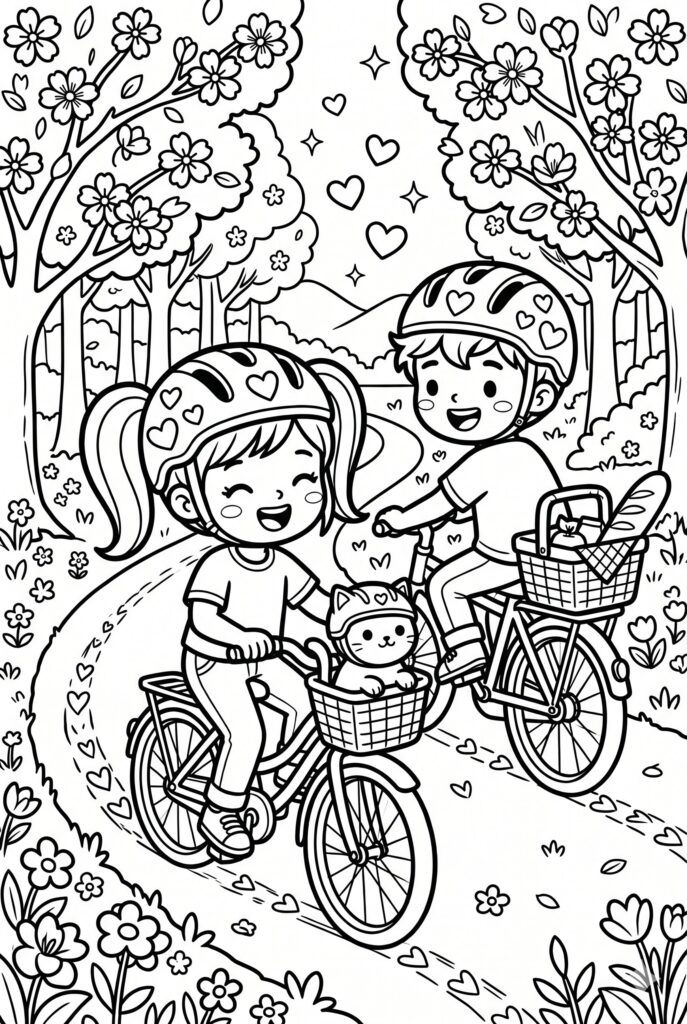
Planning rainy day activities often leads to expensive shopping trips or cluttered craft bins. By using digital downloads, you save money while providing endless variety for your little ones. You only need a standard home printer and paper to get started.
“Creativity is intelligence having fun, and providing children with the right tools at the right time fosters a lifelong love for art.”
— Anonymous
Instant accessibility and convenience
The beauty of a printable PDF lies in its immediate availability. You can download a new design in seconds, ensuring that your child never has to wait for a delivery. This instant access is perfect for those moments when you need a quick distraction or a quiet activity during a hectic day.
The following table highlights why digital files are often preferred over traditional store-bought coloring books:
| Feature | Physical Coloring Book | Printable PDF |
|---|---|---|
| Cost | High per book | Low/Free |
| Storage | Takes up shelf space | Digital cloud storage |
| Variety | Limited to one theme | Unlimited options |
| Availability | Requires store visit | Instant download |
Customizing the difficulty level for different ages
Every child develops at their own pace, and these files allow you to tailor the experience to their specific needs. You can easily select simple, bold shapes for toddlers who are just learning to hold a crayon. For older children, you might choose intricate patterns that challenge their focus and fine motor skills.
This level of customization ensures that your rainy day activities remain relevant as your children grow. By keeping a diverse library of files, you are always prepared for any age group or interest level. It is a simple, effective way to support your child’s artistic journey every single day.
Essential coloring pages for kids
Matching coloring activities to a child’s age ensures they stay interested and motivated. Selecting the right content is crucial for maintaining a child’s interest and fostering their artistic confidence as they grow.
Simple shapes and patterns for toddlers
When introducing art to the youngest artists, focus on large, bold outlines. Toddler coloring is most effective when it features basic geometric shapes like circles, squares, and thick-lined stars.
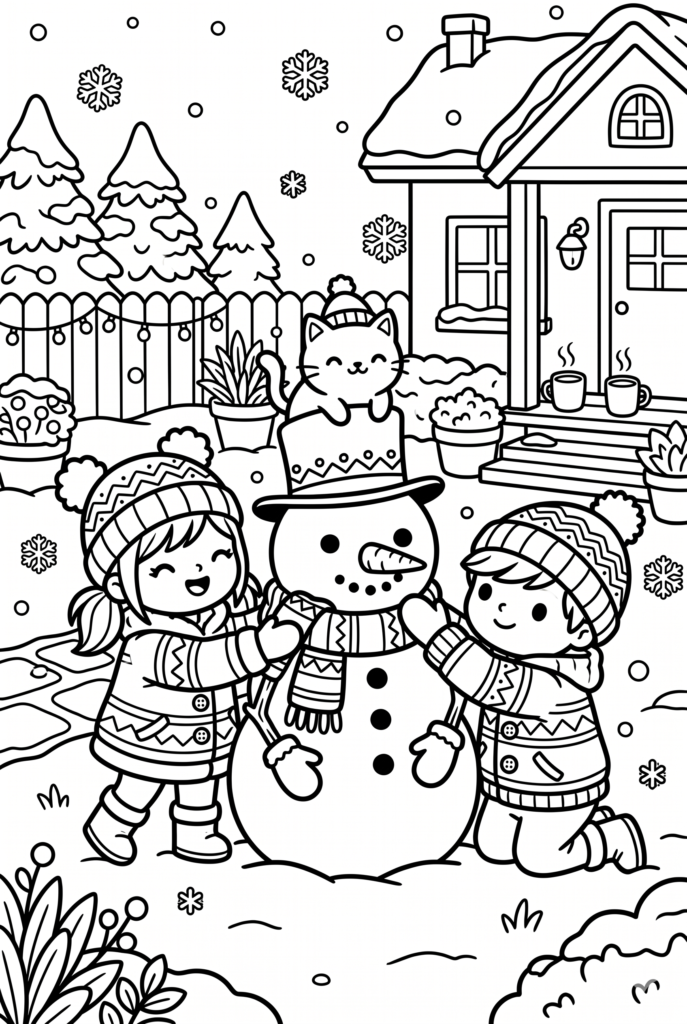
These simple designs help children build basic recognition skills without feeling overwhelmed. By keeping the patterns uncomplicated, you allow them to practice their grip and coordination in a stress-free way.
Animal-themed pages for preschool engagement
As children enter their preschool years, their attention spans begin to lengthen. Preschool coloring often thrives when it incorporates familiar animal themes, which are highly effective at capturing the imagination of young learners.
Whether it is a friendly lion or a playful puppy, animals provide a relatable subject matter. These pages encourage children to experiment with different colors while staying focused on the task at hand.
Nature and landscape scenes for older children
For older children, the complexity of the artwork should increase to match their developing skills. Nature and landscape scenes provide a more challenging and rewarding experience that encourages attention to detail.
These intricate coloring pages for kids allow them to explore shading and texture. By moving beyond simple outlines, older children can express their creativity through more sophisticated artistic choices.
Choosing the right paper and printing settings
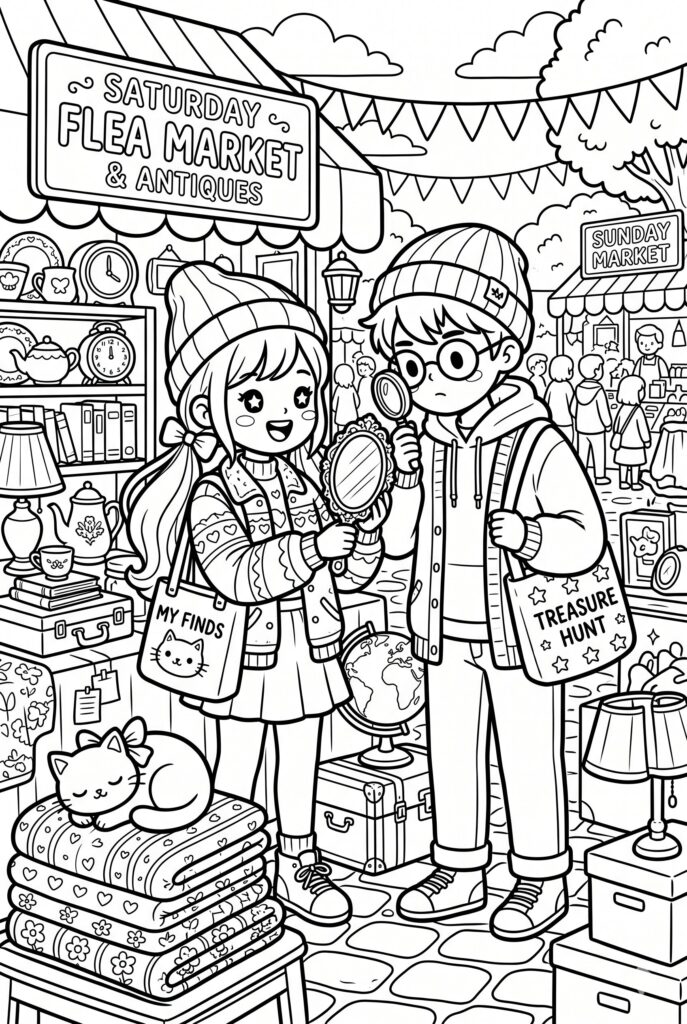
You can elevate your child’s artistic projects by choosing the right materials and optimizing your equipment. Achieving a professional look for your printables requires attention to both paper quality and hardware configuration. By making a few simple adjustments, you ensure that every line remains crisp and clear for the best coloring experience.
Selecting the best paper weight for markers and crayons
Standard printer paper is often too thin for heavy-duty coloring tools. If your child prefers using markers or gel pens, the ink may bleed through the page and ruin the surface underneath. Cardstock is an excellent alternative because it provides a sturdy, absorbent base that holds up well to repeated strokes.
“The quality of the canvas dictates the longevity of the art; always choose a weight that supports the medium your child loves most.”
— Art Education Monthly
For those using crayons or colored pencils, a slightly heavier bond paper is usually sufficient. Refer to the table below to determine which paper type best suits your specific coloring needs.
| Paper Type | Best For | Durability |
|---|---|---|
| Standard Copy Paper | Crayons, Pencils | Low |
| Heavyweight Bond | Markers, Pens | Medium |
| Cardstock | Watercolors, Markers | High |
Adjusting printer settings for high-quality output
Once you have loaded the correct paper, you must focus on your printer settings to guarantee the best results. Most home devices default to a “draft” or “normal” mode to save ink, which can result in faded or broken lines. Navigate to your print menu and select the “high quality” or “best” setting to ensure deep, dark lines that are easy for children to follow.
Consistency is key when printing multiple pages for a project. If your software allows, save your preferred configuration as a preset to avoid re-adjusting these options every time you print a new batch of designs.
Troubleshooting common printing issues
Even with the best printer settings, you might occasionally encounter technical hurdles. Paper jams are the most common frustration, often caused by using paper that is too thick for your specific model’s feed path. Always check your manual to confirm the maximum paper weight your machine can handle before printing on heavy cardstock.
If your prints appear streaky or light, your ink levels may be low or the print heads might need cleaning. Running a simple “nozzle check” or “head cleaning” cycle from your maintenance menu can often resolve these issues instantly. Keeping your equipment clean and updated ensures that your digital library of coloring pages always looks its best.
Creative ways to use printable coloring sheets
Beyond the coloring book, these printable pages serve as a gateway to endless creative projects. Families can easily expand their artistic horizons by turning finished pages into unique DIY crafts that hold sentimental value. These activities encourage children to see their work as more than just a temporary distraction.
Turning coloring pages into DIY greeting cards
One of the most rewarding ways to repurpose artwork is by crafting personalized greeting cards. Simply fold a finished page in half or cut out specific designs to glue onto cardstock. This thoughtful gesture teaches children the joy of giving and helps them develop fine motor skills through cutting and pasting.
Creating custom coloring books for travel
Long car rides or flights often require creative solutions to keep children engaged. You can compile a selection of their favorite printed sheets into a custom travel binder. This portable collection serves as a reliable source of entertainment, ensuring that DIY crafts remain accessible even when you are away from home.
Using finished pages as home decor and gifts
Finished artwork deserves to be celebrated and displayed prominently in your living space. Framing a child’s masterpiece provides them with a deep sense of accomplishment and pride. You can also laminate these pages to create durable placemats or unique gift wrap for friends and family members.
| Project Type | Materials Needed | Best For |
|---|---|---|
| Greeting Cards | Cardstock, Glue, Scissors | Birthdays and Holidays |
| Travel Binder | Binder, Sheet Protectors | Road Trips and Flights |
| Wall Art | Frames, Tape, Finished Pages | Home Decor |
| Custom Gift Wrap | Tape, Ribbon, Finished Pages | Special Occasions |
Organizing your digital library of coloring pages
A well-organized digital library ensures that you spend less time searching and more time creating. Managing a growing collection of files requires a structured approach to digital organization. By keeping your printable PDF files in order, you can quickly locate the perfect activity for your child whenever inspiration strikes.
Creating folders by theme and interest
The most effective way to manage your downloads is to group them into logical categories. You might consider creating main folders for broad topics like “Animals,” “Holidays,” or “Educational Worksheets.”
Within these main folders, you can add subfolders for specific interests. This hierarchical structure allows you to navigate your library with ease, ensuring that every file has a dedicated home.
Naming files for quick retrieval
Consistent file naming conventions are essential for ensuring that you can retrieve specific documents without unnecessary searching. Instead of keeping generic names like “download123.pdf,” rename your files to include descriptive details.
Try using a format such as “Date-Topic-Difficulty.” For example, naming a file “2023-Ocean-Easy.pdf” makes it simple to find exactly what you need through a quick search. Clarity is key when you have a large library of resources.
“For every minute spent organizing, an hour is earned.”
Anonymous
Backing up your favorite printable collections
We also emphasize the importance of backing up your favorite printable PDF collections to cloud storage to prevent data loss. Relying solely on your computer’s hard drive can be risky if a technical failure occurs.
Utilizing services like Google Drive, Dropbox, or iCloud provides peace of mind. By syncing your folders, you ensure that your digital organization efforts remain safe and accessible from any device at any time.
Seasonal and holiday-themed coloring activities
Incorporating holiday coloring into your routine helps children connect with the world around them. Seasonal activities provide a wonderful way to observe the changing environment while keeping artistic play fresh and relevant throughout the entire calendar year.
Spring and summer nature-inspired designs
As the weather warms, nature-themed pages encourage kids to look closely at the world outside. Spring designs often feature blooming flowers, baby animals, and garden scenes that mirror the growth happening in the backyard.
Summer sheets might focus on beach days, sunny landscapes, or insects like butterflies and bees. These activities help children appreciate the beauty of the outdoors even when they are spending time inside.
Fall and winter holiday celebrations
When the leaves turn and the air gets crisp, children naturally look forward to festive traditions. Using holiday coloring pages during the autumn and winter months helps build excitement for upcoming events like Thanksgiving and the winter holidays.
These pages often include intricate patterns, cozy scenes, and iconic symbols of the season. Providing these materials allows kids to participate in the joy of the season while developing their creative skills.
Celebrating birthdays and special milestones
Custom coloring sheets add a personal touch to family events and individual milestones. Whether you are marking a birthday or a school achievement, themed pages make the occasion feel unique and special.
You can even create custom books that feature the child’s name or age. This simple gesture turns a standard activity into a cherished keepsake that families can look back on for years to come.
| Season | Primary Theme | Activity Goal |
|---|---|---|
| Spring | Nature and Growth | Observation skills |
| Summer | Outdoor Adventure | Creative exploration |
| Fall | Harvest and Holidays | Festive engagement |
| Winter | Celebration and Joy | Emotional connection |
Educational coloring pages for early learners
Educational coloring pages serve as a bridge between creative expression and academic growth. By incorporating educational printables into a child’s daily routine, parents can reinforce classroom concepts in a relaxed and pressure-free environment. This approach turns standard playtime into a meaningful session that supports cognitive development.
Alphabet and number recognition through art
Visual learners often grasp abstract concepts like letters and numbers more quickly when they are paired with imagery. Coloring pages that feature large, bold characters allow children to trace and fill in shapes, which helps build muscle memory. This tactile experience is essential for early literacy and foundational math skills.
“Play is the highest form of research.”
Albert Einstein
Learning shapes and colors in a fun environment
Identifying geometric shapes and distinguishing between colors are critical milestones for young children. When kids color a page filled with circles, squares, and triangles, they learn to categorize objects while refining their motor skills. This fun environment ensures that children remain engaged without feeling the stress of a formal classroom setting.
| Skill Category | Activity Type | Developmental Goal |
|---|---|---|
| Literacy | Letter Tracing | Alphabet Recognition |
| Numeracy | Counting Objects | Number Fluency |
| Cognitive | Shape Sorting | Pattern Recognition |
Integrating coloring with early literacy lessons
A holistic approach to learning involves combining art with reading and writing exercises. By using educational printables that feature short words or simple sentences, you can encourage children to sound out letters while they color. This method creates a positive association with early literacy, making the transition to reading books feel like a natural extension of their creative play.
Tips for encouraging artistic expression in children
Fostering a love for art starts with the right tools and a dedicated space for creativity. When children feel supported, their creative expression naturally flourishes. By setting up a positive environment, you help them build confidence in their unique artistic voice.
Providing a variety of coloring tools
Offering a diverse selection of supplies encourages children to experiment with different textures and techniques. You might include washable markers, wax crayons, and colored pencils in their kit. Each tool provides a different tactile experience that helps refine their grip and control.
Variety keeps the activity fresh and exciting for young minds. When they have access to different mediums, they learn how colors blend and how pressure changes the intensity of their work.
Creating a dedicated art space at home
Establishing a specific art space gives children a sense of ownership over their projects. This area does not need to be large; a small desk or a corner of the kitchen table works perfectly. Having a consistent spot helps them transition into a creative mindset whenever they sit down to draw.
Keep supplies organized in bins or jars so they are easy to reach. When children know exactly where their materials live, they are more likely to engage in independent play.
Celebrating the process over the final product
Parents should focus on the joy of creation rather than critiquing the final result. Encouragement is the most powerful tool you can provide during their artistic journey. Ask open-ended questions about their choices to show that you value their effort and imagination.
| Tool Type | Best For | Key Benefit |
|---|---|---|
| Crayons | Toddlers | Durability and grip |
| Markers | Preschoolers | Vibrant color payoff |
| Colored Pencils | Older Kids | Detail and shading |
| Art Space | All Ages | Focus and ownership |
By prioritizing the experience, you ensure that creative expression remains a fun and stress-free activity. This approach builds a lifelong appreciation for art and self-expression.
Safety and quality considerations for online downloads
Finding high-quality art materials online is simple, but prioritizing your digital security is essential for a worry-free experience. While the internet offers a vast library of creative tools, not every website is built with your security in mind. Taking a few proactive steps ensures that your search for fun activities remains a positive experience for the whole family.
Identifying reputable sources for free printables
When you look for free coloring pages, stick to well-known educational websites, established parenting blogs, or official brand pages. Reputable sites usually have clear privacy policies and professional design layouts. Always check the URL to ensure you are on a legitimate domain before clicking any download buttons.
Avoiding malicious links and pop-up ads
Many low-quality websites use aggressive advertising to trick users into clicking harmful links. To ensure safe downloads, avoid sites that force you to install extra software or browser extensions just to access a file. If a site feels cluttered with flashing banners or suspicious pop-ups, it is best to leave immediately.
“Digital hygiene is the foundation of a safe online experience; always verify the source before you click, especially when downloading files for your children.”
— Cybersecurity Best Practices Guide
Ensuring content is age-appropriate and safe
Beyond technical security, parents should review the content to ensure it aligns with their child’s developmental stage. High-quality free coloring pages should be free of inappropriate themes or hidden advertisements within the PDF itself. By vetting your sources, you guarantee safe downloads that provide hours of wholesome, creative entertainment.
| Feature | Reputable Website | Suspicious Website |
|---|---|---|
| Download Process | Direct and simple | Requires extra software |
| Advertising | Minimal and static | Aggressive pop-ups |
| Content Quality | High-resolution PDF | Blurry or watermarked |
| Security | HTTPS encrypted | Unsecured connection |
Conclusion
Printable coloring pages for kids serve as a bridge between simple play and meaningful developmental growth. These accessible resources provide a quiet space for children to explore their imagination while building essential life skills.
Parents play a vital role in fostering this artistic journey by curating a diverse digital library. Selecting high-quality, age-appropriate coloring pages for kids ensures that every session remains engaging and rewarding for young learners.
Building a consistent routine around these activities creates a lasting impact on a child’s confidence. You gain a powerful tool to support emotional regulation and focus during busy days at home.
Start your collection of coloring pages for kids today to discover new ways to inspire your family. Every printed sheet represents a fresh opportunity for discovery, learning, and joy in your household.
FAQ
What are the primary advantages of using an easy coloring pages for kids printable PDF over traditional coloring books?
Utilizing an easy coloring pages for kids printable PDF provides instant accessibility and cost-effective entertainment. Unlike physical books, digital files can be printed multiple times, allowing children to experiment with different colors on the same design. This format also allows parents to use high-quality HP or Epson printers to ensure crisp lines that are easier for young children to follow.
How does coloring help in developing a child’s fine motor skills?
Coloring requires children to manipulate tools like Crayola crayons or Faber-Castell colored pencils within defined spaces, which directly enhances fine motor skills and hand-eye coordination. This artistic play strengthens the small muscles in the hands and wrists, serving as a vital precursor to learning how to write and perform other complex manual tasks.
Which paper is best for printing high-quality coloring sheets?
To achieve the best results and prevent ink bleed-through, it is recommended to use a heavier paper weight, such as Neenah Cardstock or Hammermill premium paper. This is especially important when children use Sharpie markers or watercolors, as it maintains the integrity of the printable PDF and provides a professional feel to the artwork.
Can coloring pages be integrated into early childhood education?
Absolutely. Educational coloring pages are excellent tools for alphabet and number recognition. By incorporating art into early literacy lessons, children can learn to identify shapes and colors in a relaxed environment. Brands like Education.com and Scholastic often use these visual aids to reinforce classroom concepts through creative engagement.
How can I safely find and organize a digital library of coloring resources?
It is essential to download files from reputable sources like Crayola.com or National Geographic Kids to avoid malicious links and intrusive ads. To manage your collection, use digital library organization techniques such as creating themed folders on Google Drive or Dropbox. Naming your files by category, such as “animal-themed pages” or “seasonal holidays,” ensures quick retrieval for future activities.
What are some creative ways to use finished coloring pages?
Finished sheets can be repurposed into DIY greeting cards, personalized home decor, or custom-made travel activity sets. For a more structured project, parents can bind several printable PDF sheets together to create a bespoke coloring book for long trips. Framing a child’s favorite piece and displaying it on a Command hook in the living room also helps boost their confidence and artistic expression.
How can parents ensure the coloring content is age-appropriate?
Parents should select designs based on the child’s developmental stage. For toddlers, look for simple shapes and bold lines. Preschoolers often enjoy animal-themed pages, while older children may prefer intricate nature and landscape scenes. Digital platforms allow you to customize the difficulty level by choosing specific files that match your child’s current skill set.
What should I do if my printer is experiencing issues with printable PDFs?
Common troubleshooting steps include checking for low ink warnings and ensuring your printer settings are set to “Best” or “High Quality.” If you encounter a paper jam, carefully follow the instructions for your specific model, such as a Brother or Canon printer, to clear the path and resume your creative outlet without damaging the machine.