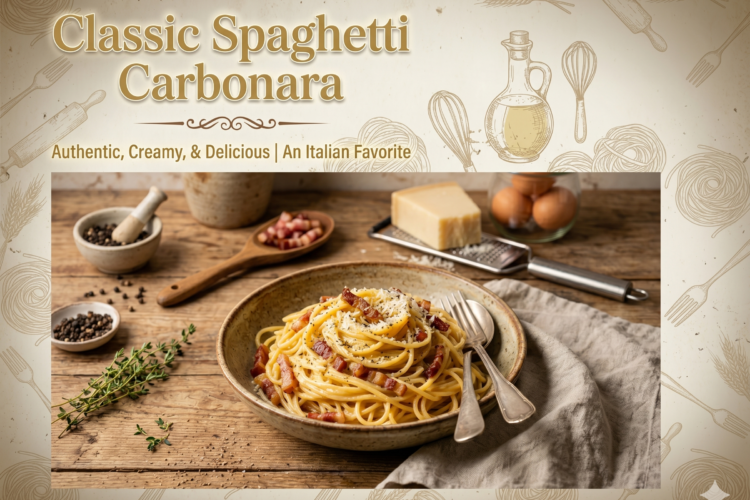
Few dishes capture the heart of home cooking quite like a Spaghetti Carbonara. This timeless meal relies on a handful of high-quality ingredients to create a rich, velvety sauce that feels truly indulgent. By mastering this authentic Italian recipe, you can bring the flavors of a Roman trattoria directly into your own kitchen.
Whether you need a fast dinner after a long workday or a sophisticated plate for a weekend gathering, this dish is the perfect choice. It transforms simple pantry staples into a culinary masterpiece with minimal effort. You will find that learning these essential techniques makes cooking both rewarding and stress-free. Let us explore how to prepare this classic Spaghetti Carbonara with confidence and ease.
Key Takeaways
- Focus on using high-quality, fresh ingredients for the best flavor.
- Master the technique of tempering eggs to achieve a creamy texture.
- This dish is versatile enough for quick weeknights or elegant dinners.
- Proper heat control prevents the sauce from scrambling.
- Simple preparation methods yield professional-grade results at home.
The Origins and Philosophy of Authentic Carbonara
To truly master this dish, one must first understand the humble origins of traditional Roman cuisine. This iconic meal represents the heart of Italy, where the philosophy centers on using a few high-quality ingredients to create something extraordinary. An authentic Italian recipe does not rely on complex techniques, but rather on the perfect harmony of simple components.
Understanding the Roman Culinary Tradition
The history of this famous Roman pasta dish is deeply tied to the working-class roots of the city. Historically, it was a meal for laborers who needed sustenance that was both filling and easy to prepare with shelf-stable items. The integrity of the dish comes from the technique of emulsifying eggs and cheese with starchy water, rather than adding heavy fats.
This approach reflects the broader values of local cooking, which prioritizes freshness and regional identity. By respecting these historical methods, you ensure that the final result remains true to its heritage. It is a testament to how minimalism can produce the most satisfying flavors in the kitchen.
Debunking Common Myths About Carbonara Ingredients
Many modern versions of this recipe have strayed far from the original intent, leading to widespread confusion. It is important to clarify that certain additions have no place in a classic preparation. For instance, the use of cream is a common mistake that masks the delicate balance of the egg and cheese emulsion.
Similarly, ingredients like garlic, onions, or peas are not part of the traditional profile. These items alter the flavor profile significantly and distract from the star of the show: the cured pork. Understanding these distinctions is essential for anyone looking to recreate an authentic Italian recipe at home.
| Ingredient | Authentic Status | Reasoning |
|---|---|---|
| Heavy Cream | Prohibited | Dilutes the natural egg emulsion |
| Guanciale | Essential | Provides authentic fat and depth |
| Garlic | Avoid | Overpowers the delicate cheese flavor |
| Pecorino Romano | Required | Adds the necessary sharp, salty bite |
Essential Ingredients for the Perfect Dish
Achieving culinary excellence starts with the careful selection of high-quality carbonara ingredients. Because this dish relies on a very short list of components, the quality of each item directly impacts the final result. By prioritizing fresh, authentic products, you create a foundation that elevates the entire meal.
Selecting the Right Pasta Varieties
While spaghetti is the traditional choice, the shape of your pasta matters significantly for the sauce’s texture. You want a variety that features a rough surface, often labeled as “bronze-cut” or “trafilata al bronzo.” This texture allows the creamy emulsion to cling effectively to every strand.
Spaghetti remains the classic standard, but many home cooks also enjoy using rigatoni. The hollow center of rigatoni captures bits of meat and cheese, providing a satisfying bite. Regardless of the shape, always choose a high-quality dried pasta made from durum wheat semolina.
The Importance of Guanciale Versus Pancetta
When discussing authentic carbonara ingredients, the choice of meat is paramount. Guanciale, which is cured pork jowl, stands as the gold standard for this recipe. It contains a higher ratio of fat compared to other cuts, which renders down into a silky, flavorful liquid that forms the base of your sauce.
Pancetta is often used as a substitute, but it lacks the specific depth and complexity found in guanciale. The fat in pork jowl has a unique, buttery quality that balances the sharpness of the cheese. If you want to replicate the true taste of Rome, sourcing this specific cut is well worth the effort.
Choosing High-Quality Pecorino Romano and Eggs
The final layer of flavor comes from the cheese and the eggs. Pecorino Romano is the traditional choice, offering a sharp, salty, and tangy profile that cuts through the richness of the pork fat. Always buy a block of cheese and grate it yourself to ensure the freshest taste and best melting properties.
Your eggs should be as fresh as possible, ideally sourced from high-quality, pasture-raised hens. The vibrant color of the yolks contributes to the beautiful golden hue of the finished sauce. When you combine high-quality Pecorino Romano with farm-fresh eggs, you achieve a luxurious, creamy consistency that defines a perfect plate of pasta.
Preparing Your Kitchen and Mise en Place
Mastering the art of a perfect pasta dish begins long before you turn on the stove. Many home cooks find themselves rushing during the final stages of a recipe, which often leads to mistakes. By adopting professional Italian cooking techniques, you can ensure that every step of the process remains calm and controlled.
The foundation of this approach is kitchen mise en place, a French term meaning “everything in its place.” This practice involves gathering and preparing all your components before you start the actual cooking. When your workspace is organized, you can focus entirely on the delicate timing required for the sauce.
Necessary Tools for Success
Having the right equipment is essential for achieving consistent results. You should start with a high-quality, heavy-bottomed pan, which provides even heat distribution and prevents hot spots. A sturdy whisk is also vital for creating a smooth, emulsified sauce without breaking the eggs.
Additionally, keep a set of heat-resistant silicone spatulas nearby to scrape every bit of flavor from your pans. Having a large mixing bowl ready for the egg and cheese mixture will make the final assembly much easier. Investing in these basic tools will significantly improve your efficiency in the kitchen.
Organizing Ingredients for a Smooth Workflow
Before you ignite the burner, ensure that all your carbonara ingredients are measured and ready to go. Dice your guanciale into uniform pieces so they render fat evenly. Grate your Pecorino Romano finely to ensure it melts perfectly into the eggs without clumping.
Arrange your prepped items in small bowls or ramekins near your stove. This setup allows you to add ingredients at the precise moment they are needed. By removing the stress of searching for items, you create a seamless cooking experience that allows your culinary skills to shine.
Mastering the Technique of Rendering Guanciale
Achieving the perfect balance of crispy and tender pork requires patience and careful attention to detail. This process is a fundamental skill that separates a mediocre dish from a truly professional one. Before you begin, ensure your kitchen mise en place is fully prepared, as the rendering process happens quickly once the pan reaches the right temperature.
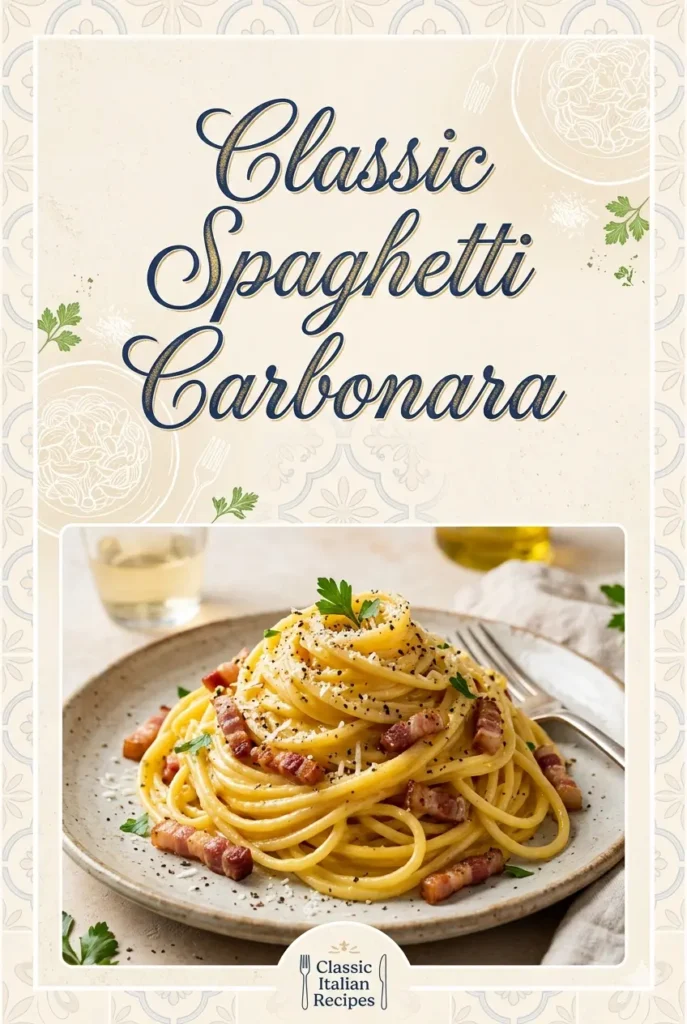
Achieving the Ideal Texture and Crispness
To start, slice your guanciale into uniform strips or cubes to ensure even cooking. Place the meat into a cold pan and turn the heat to low. This slow approach allows the fat to liquefy gradually without burning the exterior of the meat.
Patience is your greatest tool when working with cured pork. You want the edges to become golden and crunchy while the center remains slightly chewy. If the heat is too high, the exterior will harden before the fat has a chance to render properly.
The secret to great cooking is often found in the patience of the chef, especially when coaxing flavor from simple, high-quality ingredients.
Managing the Rendered Fat for Flavor Depth
The liquid fat left in the pan is the primary flavor carrier for your entire pasta dish. Once the meat reaches your desired level of crispness, you must decide how much fat to keep. A small amount of this golden liquid is essential for emulsifying with the eggs and cheese later.
Proper kitchen mise en place involves having a heat-proof bowl ready to catch any excess grease. You want enough to coat the pasta, but not so much that the final dish feels heavy or greasy. Use the following guide to understand the stages of the rendering process:
| Stage | Visual Cue | Texture Result |
|---|---|---|
| Initial | Fat begins to turn translucent | Soft and pliable |
| Mid-Render | Edges start to brown | Chewy and flavorful |
| Final | Deep golden color | Crispy and rendered |
By mastering the rendering of guanciale, you create a savory foundation that defines the character of the meal. This liquid gold will eventually marry with the starchy pasta water to create a silky, luxurious sauce that clings to every strand.
Creating the Silky Egg and Cheese Emulsion
The secret to a restaurant-quality dish lies in the delicate balance of your egg and cheese mixture. Achieving a creamy carbonara requires more than just mixing ingredients; it demands a deep understanding of how proteins react to heat. When you master this egg yolk sauce, you elevate your cooking to a professional level.
The Science of Tempering Eggs
Tempering is the process of slowly introducing heat to your eggs to prevent them from curdling. By whisking a small amount of warm pasta water into your mixture of Pecorino Romano and eggs, you gradually raise the temperature. This creates a stable emulsion that will coat your pasta smoothly without turning into an omelet.
Think of this step as a bridge between cold ingredients and hot pasta. If you add the eggs directly to the boiling pan, the proteins will seize instantly. Slow and steady preparation ensures the sauce remains liquid and glossy.
Achieving the Perfect Consistency Without Scrambling
To maintain a perfect texture, you must control the heat carefully. Always remove your pan from the direct flame before adding the egg mixture to the pasta. The residual heat is more than enough to cook the eggs into a creamy carbonara without causing them to scramble.
If the sauce looks too thick, add a splash more starchy water to loosen the emulsion. Keep stirring constantly to ensure the Pecorino Romano melts evenly into the egg yolk sauce. This constant motion is the key to a uniform, restaurant-style finish.
| Common Issue | Primary Cause | Recommended Fix |
|---|---|---|
| Curdled Sauce | Excessive heat | Remove from burner immediately |
| Clumpy Cheese | Low moisture | Add more pasta water |
| Thin/Runny Sauce | Too much water | Whisk in more cheese |
Cooking Spaghetti Carbonara to Al Dente Perfection
The secret to a restaurant-quality carbonara lies in how you handle your noodles. Achieving the perfect al dente pasta is essential for providing the right structural bite to the dish. When the pasta is cooked with precision, it creates a satisfying mouthfeel that balances the richness of the egg and cheese sauce.
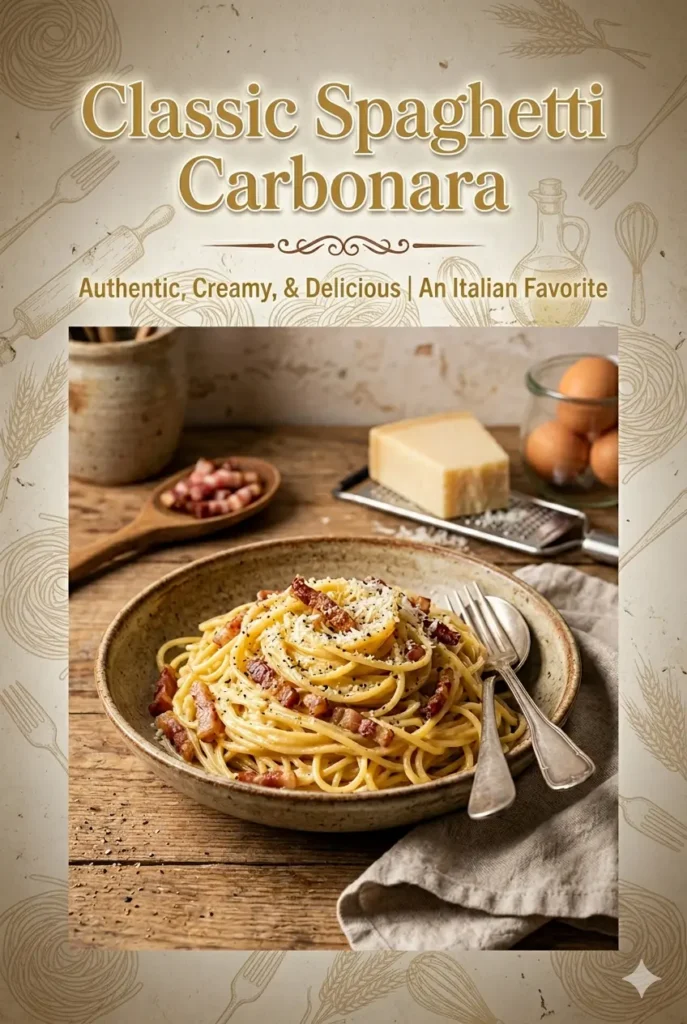
Boiling Pasta in Properly Salted Water
The process of cooking pasta begins with a large pot of boiling water. You must ensure the water is heavily salted, as this is your only opportunity to season the noodles from within. A well-salted pot should taste like the sea, which enhances the natural flavor of the wheat.
Avoid adding oil to the water, as it prevents the sauce from clinging to the surface of the spaghetti. Instead, focus on maintaining a rolling boil throughout the entire duration of the cook. This ensures even heat distribution and prevents the pasta from becoming gummy or unevenly textured.
The Role of Starchy Pasta Water in the Sauce
Before you drain your spaghetti, you must reserve a generous amount of the pasta water. This cloudy, liquid gold is packed with dissolved starch, which acts as a natural emulsifier. When combined with your egg and cheese mixture, it helps create a cohesive and glossy finish that coats every strand perfectly.
Without this starchy liquid, your sauce may appear thin or separate easily. Using a small amount of this water allows you to adjust the consistency of your carbonara to your personal preference. It is the bridge that connects the pasta to the sauce, ensuring a harmonious bite every time.
| Cooking Stage | Texture Description | Best Use |
|---|---|---|
| Under-cooked | Hard, chalky center | Not recommended |
| Al Dente | Firm bite, fully cooked | Ideal for Carbonara |
| Over-cooked | Soft, mushy exterior | Avoid for best results |
The Art of Combining Pasta and Sauce
The transformation of simple components into a creamy masterpiece occurs during the final toss. This critical stage is where your egg yolk sauce meets the hot pasta to create a signature emulsion. Success requires patience and a gentle touch to ensure the texture remains smooth rather than scrambled.
Managing Heat to Prevent Curdling
The most common challenge for home cooks is preventing the eggs from cooking too quickly. You must remove the pan from the direct heat source before adding the egg mixture. This allows the residual heat of the pasta to thicken the sauce safely without turning it into an omelet.
If the pan remains too hot, the proteins in the eggs will coagulate instantly. Always work quickly and keep the pan moving to distribute the heat evenly. This careful temperature control is the secret to a professional, velvety consistency.
Tossing Techniques for a Glossy Finish
To achieve a restaurant-quality finish, you must incorporate your pasta water with precision. The starch in this liquid acts as a stabilizer, helping the fat and eggs bind into a cohesive, glossy coating. Add the water in small splashes while tossing the pasta vigorously to build the desired thickness.
Consistent movement is essential for a stable emulsion that clings to every strand of spaghetti. Use a pair of tongs to lift and fold the pasta repeatedly until the sauce looks shiny and thick. If the mixture appears too dry, add another tablespoon of starchy pasta water to loosen the texture.
| Issue | Cause | Solution |
|---|---|---|
| Sauce is clumpy | Excessive heat | Add more pasta water |
| Sauce is too thin | Too much water | Toss longer over low heat |
| Pasta is dry | Insufficient fat | Add a splash of reserved water |
Common Mistakes and How to Avoid Them
Even the most seasoned home chefs occasionally face challenges when preparing this Roman classic. While the process seems straightforward, small errors in timing or heat management can impact the final result. Understanding how to identify and correct these issues ensures you can always serve a delicious meal.
Troubleshooting Broken or Clumpy Sauces
A creamy carbonara should be smooth and glossy, but sometimes the eggs scramble or the cheese clumps. This usually happens when the heat is too high during the mixing stage. If you notice the sauce starting to curdle, remove the pan from the heat immediately and add a small splash of reserved starchy water.
Vigorously whisking the mixture helps to re-emulsify the sauce and restore its silky texture. Patience is your best tool when working with eggs and cheese. If the sauce remains too thick, continue adding tiny amounts of pasta water until you reach the desired consistency.
Fixing Overcooked or Undercooked Pasta
The secret to the perfect bite is achieving al dente pasta, which should have a slight resistance in the center. If you realize your noodles are undercooked, simply return them to the boiling water for an additional minute. Always taste-test frequently while cooking pasta to avoid missing the ideal window of doneness.
If the pasta is slightly overcooked, it will lose its structural integrity and become mushy. While you cannot fully reverse overcooking, you can minimize the damage by tossing it quickly with the sauce and serving it immediately. Proper timing is essential to maintain the quality of your dish.
| Common Issue | Primary Cause | Quick Fix |
|---|---|---|
| Scrambled Eggs | Excessive heat | Add cold water and whisk |
| Clumpy Cheese | Low moisture | Add more pasta water |
| Mushy Noodles | Over-boiling | Serve immediately |
Customizing Your Carbonara Experience
Mastering the fundamentals of Italian cooking techniques allows you to explore creative variations without losing the soul of the dish. While the classic recipe is a masterpiece of simplicity, home cooks often enjoy adding a personal touch to their Spaghetti Carbonara. The key is to ensure that any additions enhance the delicate balance of flavors rather than overpowering the creamy, savory profile.
Adding Subtle Variations While Respecting Tradition
When experimenting with your recipe, focus on ingredients that complement the existing components. A light dusting of freshly grated nutmeg or a small amount of lemon zest can brighten the richness of the egg and cheese emulsion. You might also consider these thoughtful adjustments:
- Toasted black pepper: Briefly toast your peppercorns before grinding to unlock deeper, more aromatic notes.
- Fresh herbs: A tiny sprinkle of finely chopped parsley can add a vibrant pop of color and freshness.
- Texture contrast: A very light garnish of toasted breadcrumbs can provide a surprising crunch.
“Cooking is a subject you can never know enough about. There is always something new to discover.”
— Marcella Hazan
Pairing Suggestions for a Complete Italian Meal
To create a well-rounded dining experience, consider the weight and intensity of your main course. Because this dish is naturally rich and indulgent, pairing it with lighter sides and crisp beverages is highly recommended. Utilizing proper Italian cooking techniques for your sides will ensure the meal feels cohesive.
A simple arugula salad dressed with high-quality olive oil and a splash of balsamic vinegar provides a necessary acidic contrast to the creamy pasta. For wine, look for a dry, high-acid white such as a Frascati or a Pinot Grigio. These selections cut through the fat of the Spaghetti Carbonara, cleansing the palate between every delicious bite.
Serving and Plating Like a Professional
Elevating your Roman pasta dish starts the moment you move it from the pan to the table. While the cooking process is vital, the final presentation determines how your guests perceive the meal. By focusing on small details, you can bring the true spirit of traditional Roman cuisine directly to your home dining room.
Temperature Control for Optimal Enjoyment
The secret to a perfect carbonara lies in its silky, emulsified sauce. This texture is highly sensitive to heat and will begin to thicken or break if the pasta cools down too quickly. Always warm your serving bowls before plating to ensure the dish stays at the ideal temperature for as long as possible.
Serving the meal immediately is non-negotiable for the best experience. Even a few minutes of delay can cause the cheese and egg mixture to lose its signature glossy finish. Aim to have your table set and your guests ready before the final toss in the pan.
Garnishing for Visual Appeal
A beautiful plate of food invites the appetite and signals care in preparation. To honor the roots of traditional Roman cuisine, keep your garnishes simple and purposeful. A light dusting of freshly grated Pecorino Romano adds a sharp, salty contrast that highlights the richness of the egg yolk.
Finish your Roman pasta dish with a generous turn of freshly cracked black pepper. The coarse texture of the pepper provides a visual pop against the creamy sauce and adds a necessary aromatic bite. These final touches transform a humble bowl of noodles into a sophisticated culinary presentation.
| Action | Purpose | Benefit |
|---|---|---|
| Warm Bowls | Maintain heat | Prevents sauce from thickening |
| Fresh Pepper | Aromatic finish | Enhances flavor profile |
| Pecorino Dusting | Visual texture | Adds salty depth |
| Immediate Service | Preserve emulsion | Ensures silky consistency |
Conclusion
Creating a perfect plate of pasta requires more than just following a list of steps. It demands a deep respect for the ingredients and a commitment to the process.
You now possess the knowledge to transform simple items like eggs, cheese, and cured pork into a masterpiece. Every time you prepare this meal, your confidence will grow. Focus on the texture of the sauce and the bite of the pasta to refine your skills.
High-quality products from brands like Locatelli or authentic guanciale from local butchers make a noticeable difference in your final result. Seek out the best items available to elevate your home cooking experience.
Patience remains your most valuable tool in the kitchen. Take your time with the heat and the emulsion to ensure a smooth, glossy finish. Your dedication to these small details will impress anyone lucky enough to share a seat at your table.
Start your next culinary project with these techniques and enjoy the process of bringing a piece of Rome into your home. Share your results with friends or family to celebrate the joy of a well-made meal.
FAQ
Is it necessary to use heavy cream to achieve a creamy carbonara sauce?
No, an authentic Italian recipe relies strictly on the egg and cheese emulsion to create its signature silkiness. In the Roman culinary tradition, adding cream is considered a distraction from the rich flavors provided by the guanciale and egg yolk sauce. The creamy consistency is actually achieved by expertly combining the whisked eggs and Pecorino Romano with a splash of starchy pasta water.
Why is guanciale preferred over pancetta in this traditional pasta dish?
While pancetta (cured pork belly) is a common substitute, guanciale (cured pork jowl) is the gold standard for Spaghetti Carbonara. Brands like Beretta or La Quercia offer guanciale that provides a higher fat content and a deeper, more robust flavor profile. Rendering guanciale properly ensures that the fat acts as the primary flavor carrier, which is essential for a truly professional result.
How can I prevent the eggs from scrambling when I mix the sauce?
The secret lies in managing heat and the science of tempering eggs. You should never add the egg mixture to a pan that is still over a direct flame. Instead, use the residual heat of the De Cecco or Barilla spaghetti and the rendered fat to cook the eggs gently. This technique, combined with vigorous tossing, creates a stable, velvety emulsion rather than a clumpy or broken sauce.
What is the importance of “mise en place” before starting the cooking process?
Because Spaghetti Carbonara requires precise timing, having your kitchen mise en place organized is vital. This means having your Pecorino Romano (such as Locatelli) grated, your eggs whisked, and your guanciale sliced before the pasta hits the boiling water. Proper organization ensures a smooth workflow and prevents the pasta from cooling down too much before the sauce is incorporated.
Why should the pasta water be heavily salted?
Boiling your pasta in properly salted water is the only opportunity to season the noodles themselves. For a classic al dente texture, the water should taste like the sea. Furthermore, the starchy pasta water acts as a binding agent, helping the carbonara ingredients adhere to the spaghetti for a cohesive and glossy finish.
Can I use different pasta varieties for this recipe?
While Spaghetti is the most iconic choice, Rigatoni is another popular option within Roman culinary tradition. The key is to choose a high-quality durum wheat pasta that can stand up to the richness of the sauce. Regardless of the shape, the goal is always to achieve al dente perfection to provide a structural bite to the meal.
What are the best garnishes to maintain the integrity of the dish?
To stay true to the heritage of the dish, garnishing should be kept simple. A final dusting of freshly grated Pecorino Romano and a generous amount of freshly cracked black pepper are all that is needed. These additions enhance the visual appeal and provide a final punch of flavor that complements the creamy carbonara without overpowering it.